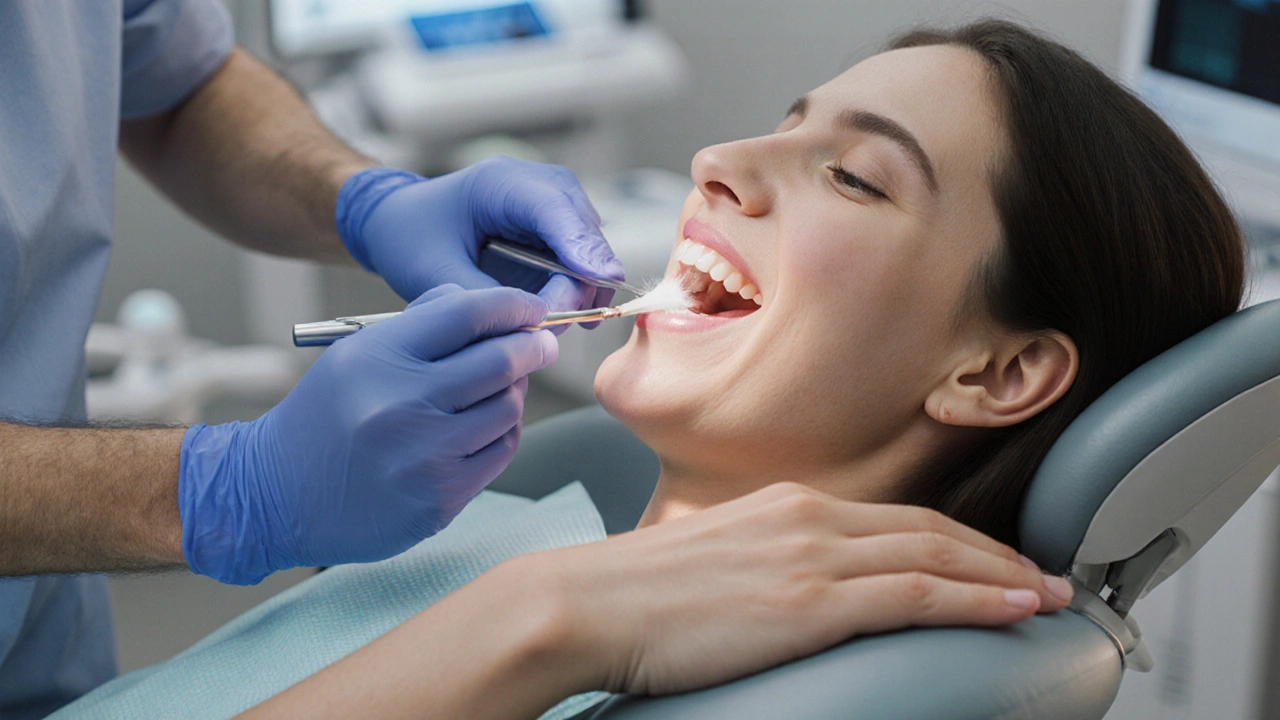
Umrtvení zubu: Co to je, když ho potřebujete a co dělat dál
When you feel a deep, throbbing pain in your tooth, it’s often because the umrtvení zubu, procedura, která odstraní zubní nerv a zastaví bolest. Also known as endodontie, it is the dental treatment that saves a tooth from extraction when infection or damage reaches the pulp. This isn’t just about killing pain—it’s about saving the tooth structure so you can keep chewing, smiling, and speaking normally.
Most people think umrtvení zubu is only for severe pain, but it’s also needed when a cavity goes too deep, a tooth cracks, or after repeated dental work. The zubní nerv, měkká tkáň uvnitř zubu, která obsahuje nervy a cévy becomes inflamed or infected, and without treatment, the infection spreads to the jawbone. That’s when you risk abscesses, swelling, and even systemic health issues. The procedure removes this damaged tissue, cleans the root canals, and seals them off so bacteria can’t come back.
Many worry that umrtvení zubu is painful, but modern techniques make it as comfortable as getting a filling. Local anesthesia ensures you feel nothing during the process. Afterward, you might have mild discomfort for a day or two—this is normal. What’s not normal is if the pain gets worse, your face swells, or you feel a pimple-like bump on your gum. That means the infection might still be there, and you need to go back.
After umrtvení zubu, your tooth becomes more brittle. That’s why dentists usually recommend a crown. Without it, the tooth can crack under normal chewing pressure. Some patients skip the crown to save money, but that’s a false economy. A cracked tooth after root treatment often ends up being pulled anyway—and then you’re facing implants or bridges, which cost much more.
You might be surprised to learn that not every toothache needs umrtvení zubu. Sometimes, a deep filling or a simple cleaning fixes the problem. That’s why getting a proper diagnosis matters. X-rays and sensitivity tests help dentists tell if the nerve is truly dead or just irritated. If it’s just irritated, they might wait and monitor. If it’s dead or dying, they act fast.
There’s no magic way to avoid needing umrtvení zubu, but good oral hygiene helps. Brushing twice a day, flossing daily, and visiting your hygienist regularly cuts your risk in half. Avoid sugary drinks, don’t use your teeth to open bottles, and wear a mouthguard if you grind your teeth at night. These simple habits keep your zubní nerv healthy and your teeth intact.
What you’ll find below are real, practical guides on what comes before, during, and after umrtvení zubu. From how to recognize early signs of trouble, to what to eat after the procedure, to how to tell if your tooth is healing right—you’ll find clear, no-nonsense advice. No fluff. Just what works.