Kontrola po rekonstrukci: Co je důležité vědět a jak se připravit
When you get a dental restoration, whether it’s a filling, crown, or veneer, the work isn’t done when you leave the clinic. The real test begins kontrola po rekonstrukci, pravidelné vyšetření po zubním zákroku, které zajišťuje trvanlivost a zdraví opraveného zubu. Many think the dentist’s job ends with the filling or crown in place, but that’s just the start. Without proper follow-up, even the best restoration can fail within months—because of plaque, bite issues, or hidden decay.
One of the biggest risks after a restoration is zubní plak, tenká vrstva bakterií, která se rychle vytváří na povrchu zubů a může vést k novému kazu pod opravou. It doesn’t matter if your filling is made of composite or ceramic—if you don’t clean around it well, bacteria will sneak in and start eating away from underneath. That’s why zubní hygiena, pravidelné a správné čištění zubů i mezizubních prostorů isn’t optional after a restoration. You need more than just brushing—you need interdental brushes, floss, and sometimes even special mouthwashes recommended by your hygienist.
Another thing people forget: your bite matters. If your new filling is too high, you’ll feel discomfort when chewing. Over time, this can crack the restoration, damage the opposing tooth, or even cause jaw pain. That’s why a quick kontrola po rekonstrukci, prohlídka, která ověřuje, zda je oprava správně přizpůsobena vaší návykové činnosti is often done right after the procedure. But don’t wait for pain. Schedule a follow-up within two weeks. If your tooth feels strange, sensitive, or if you notice a rough edge, don’t ignore it.
And let’s talk about zubní kámen, tvrdá nánosová vrstva, která se tvoří z plaku a minerálů ze slin. It doesn’t just look bad—it traps bacteria right where your restoration meets the natural tooth. That’s a prime spot for decay to hide. Professional cleaning every six months isn’t a luxury; it’s insurance. Even if you brush perfectly, calculus builds up in places your brush can’t reach.
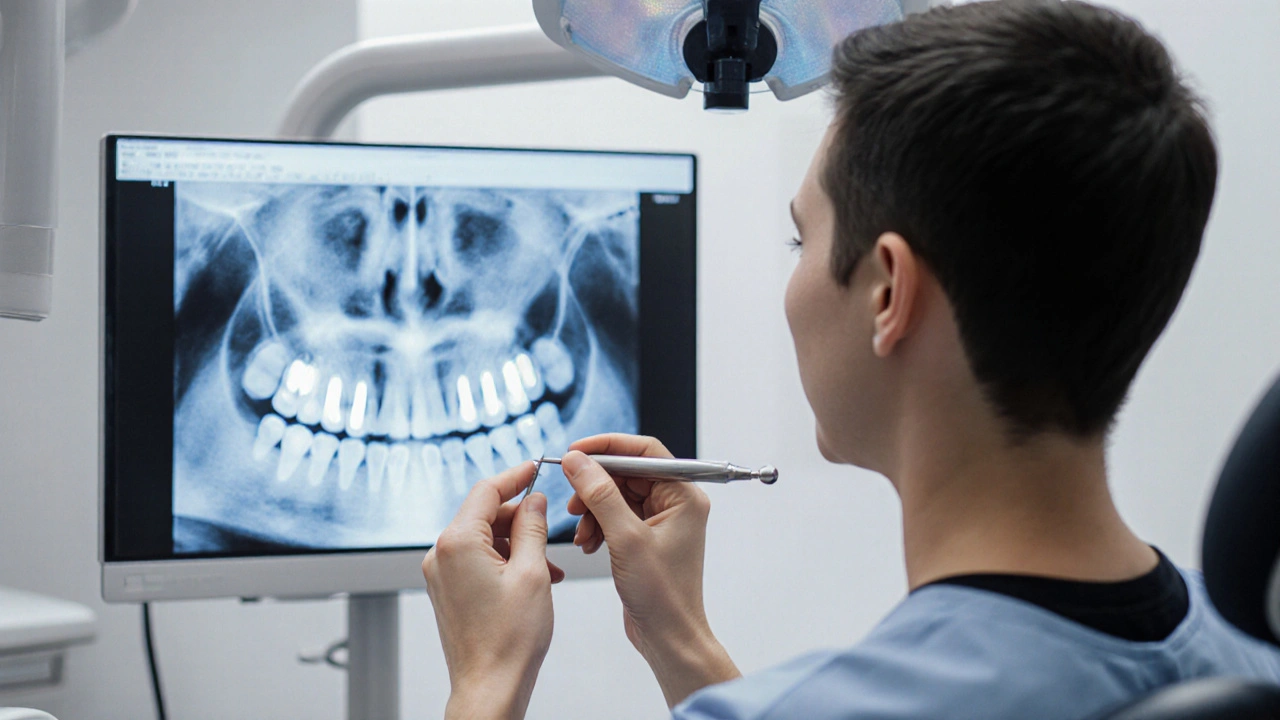
You might think: "I’ve had my filling for two years and nothing hurts." But pain is the last sign of trouble. The real damage happens silently—under the filling, behind the crown, around the edges. That’s why the best protection isn’t just good habits at home—it’s consistent professional checks. A simple X-ray during your visit can catch early decay before it becomes a root canal.
Don’t wait until something breaks. Your restoration is an investment. A good one lasts 10–15 years, but only if you treat it right. The right kontrola po rekonstrukci saves you from bigger bills, more pain, and longer treatments down the road. Below, you’ll find real advice from people who’ve been there—how to clean after a crown, what to avoid eating, when to rush back to the dentist, and why skipping your hygiene appointment might cost you more than you think.